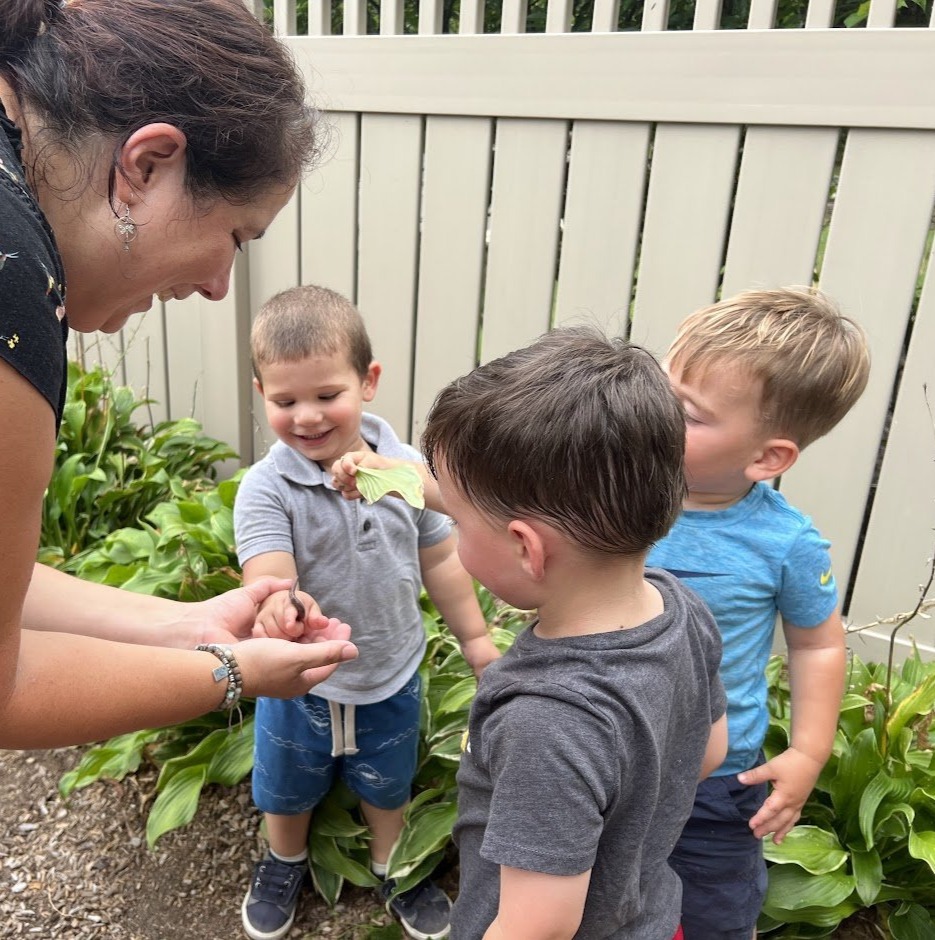
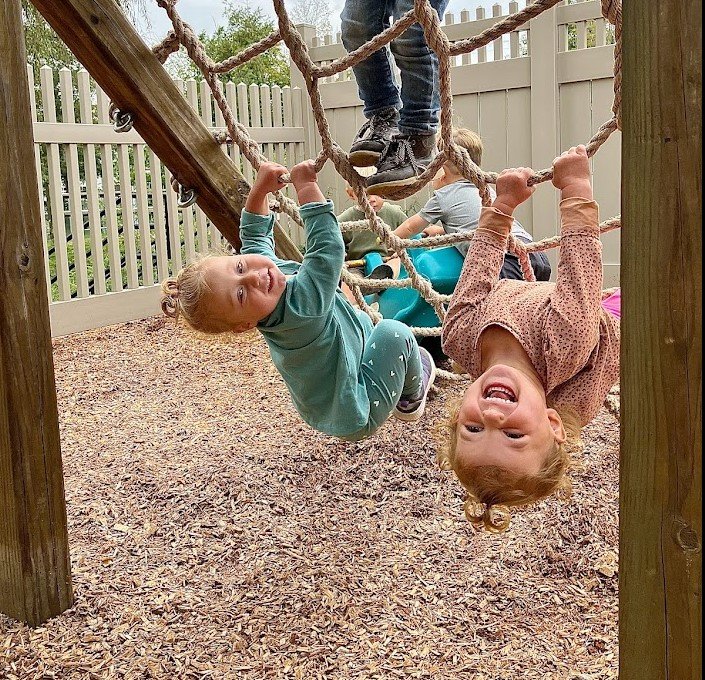
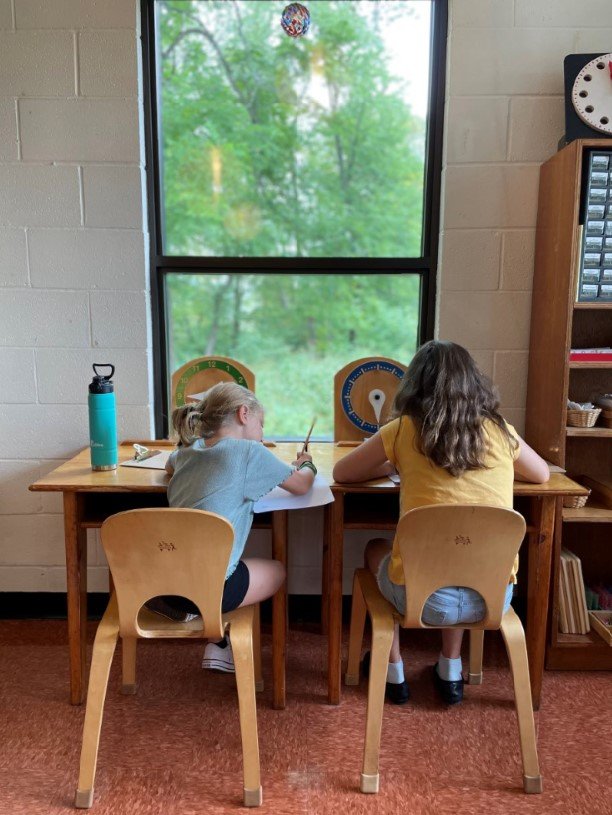

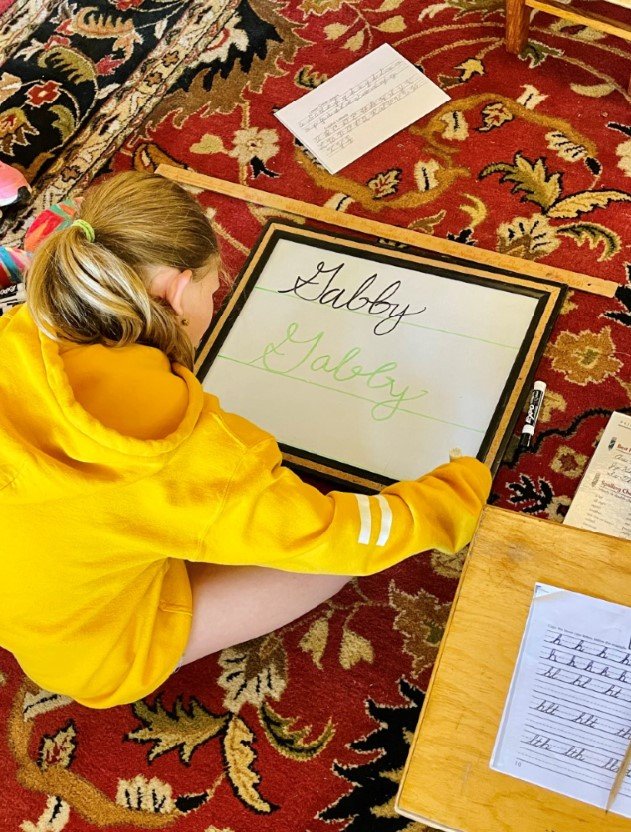
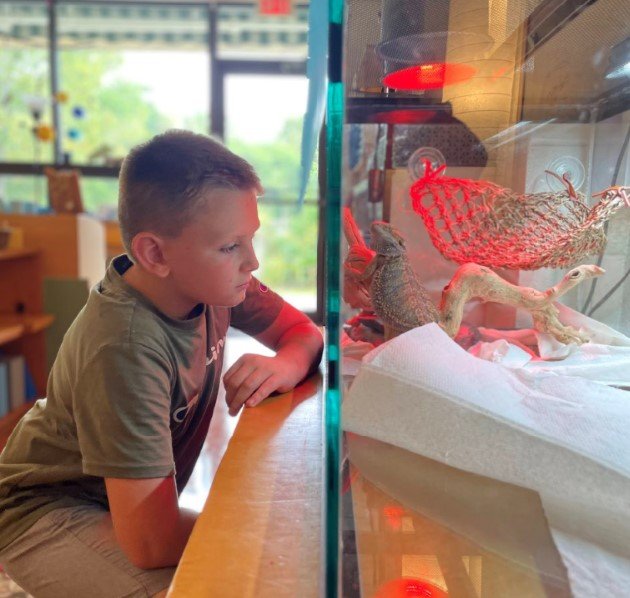
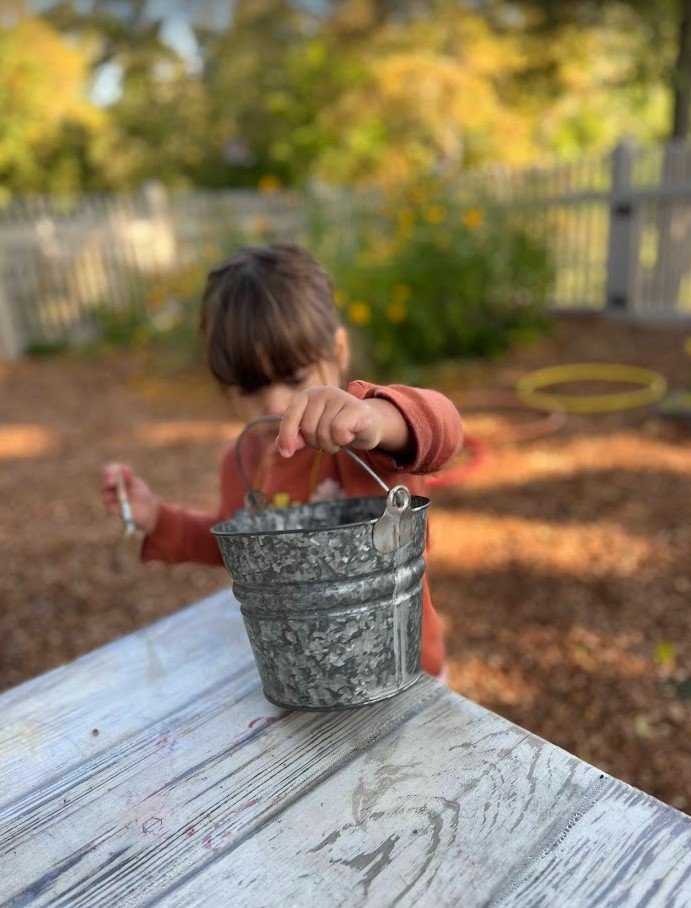
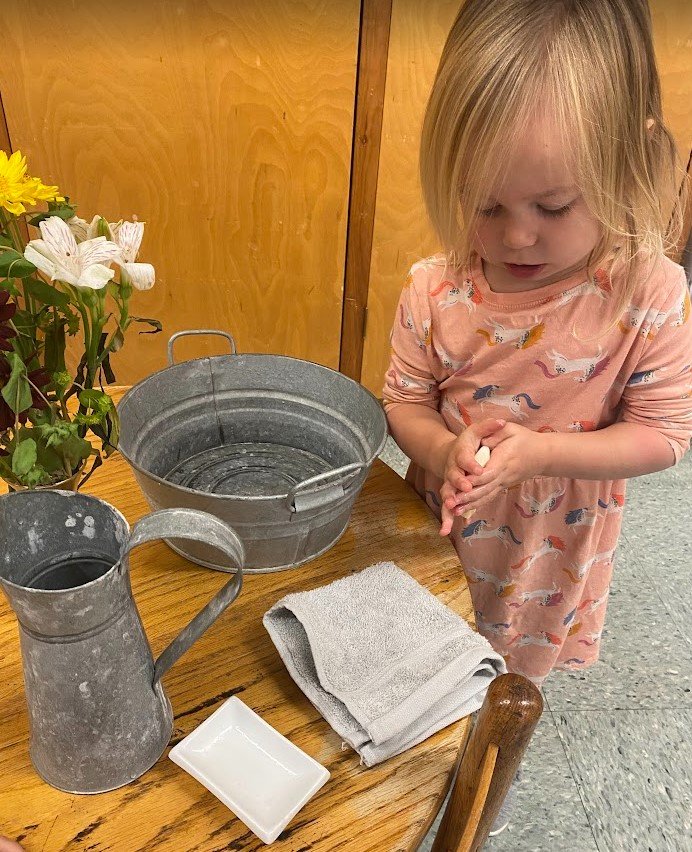
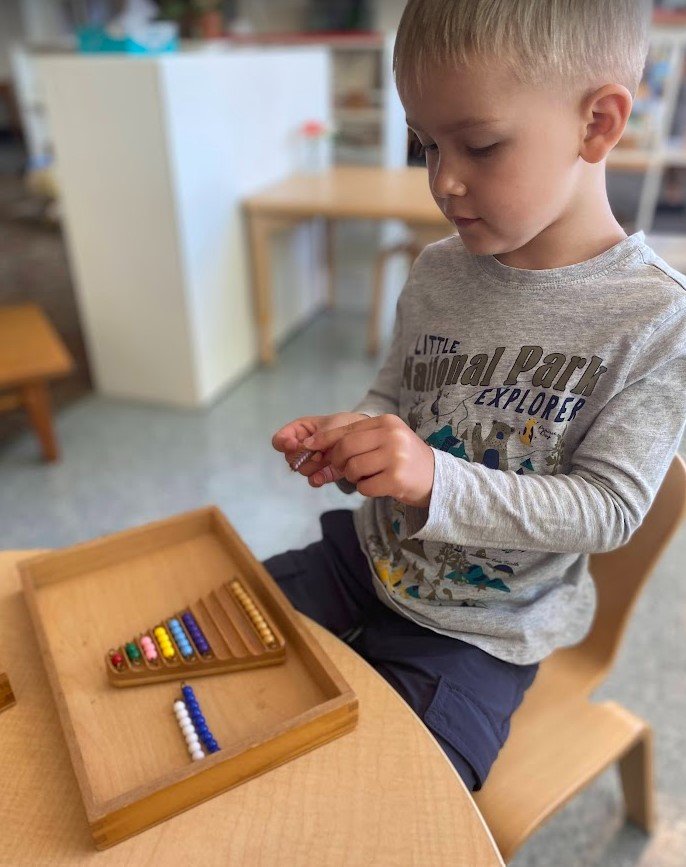
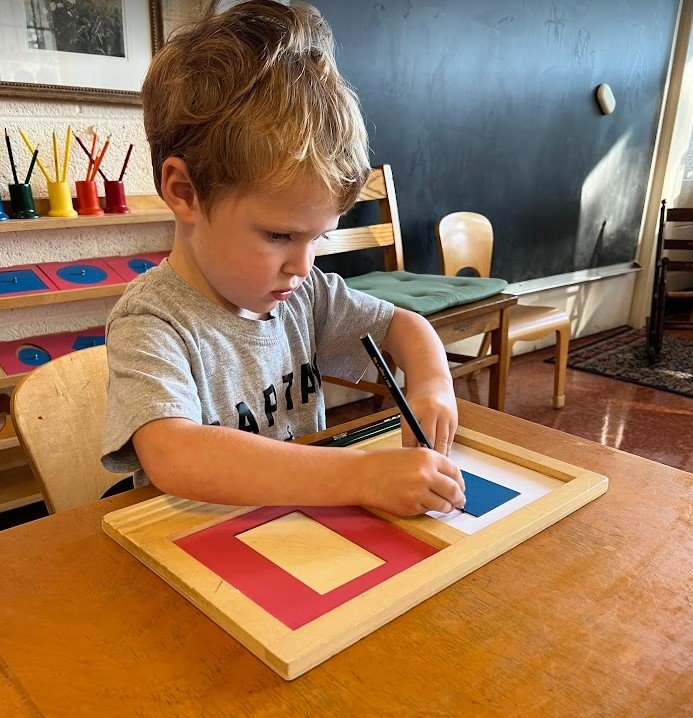

Established in 1972 by Litchfield resident, Mary Loyer, Litchfield Montessori School offers an exceptional education to children.  We serve the children of families who come from twenty surrounding communities.  Conveniently located within the town of Northfield in Litchfield County, our school is nestled in natural beauty, adjacent to a community park.  Our school building, designed by world-renowned architect Marcel Breuer, utilizes the flow of natural light and complements our classroom environments, richly prepared to meet the developing needs of the individual child from ages 15 months through 12 years old.

Our dedicated, highly trained Montessori-certified faculty seeks to enhance the child’s potential.  The relationship between teacher and child, carefully prepared environments and Montessori materials, and the support from our committed parents all work together to develop the inherent qualities within the child of concentration, independence, self-initiative, confidence, order and self-discipline. We offer the advantages of a small school atmosphere where the opportunity for active engagement of a rigorous academic standard is supported by individualized adult guidance.

We welcome you to contact us for more information and to schedule a visit to observe our school. Montessori education is a preparation for a higher order of learning - indeed, for life! 

Anne-Marie Fenn
Head of School


MONTESSORI PHILOSOPHY OF EDUCATION
Montessori Philosophy of Education

Dr. Montessori felt that the goal of the educational process should not be to fill the child with facts but rather to cultivate the child’s own natural desire to learn.

Children between the ages of three and six can pick up knowledge and understanding effortlessly, spontaneously and joyfully.  Dr. Montessori called the child’s mind at this stage “absorbent” and discovered that during these years there are sensitive periods when the child shows an unusual ability to acquire particular skills compared to any other time in his life.

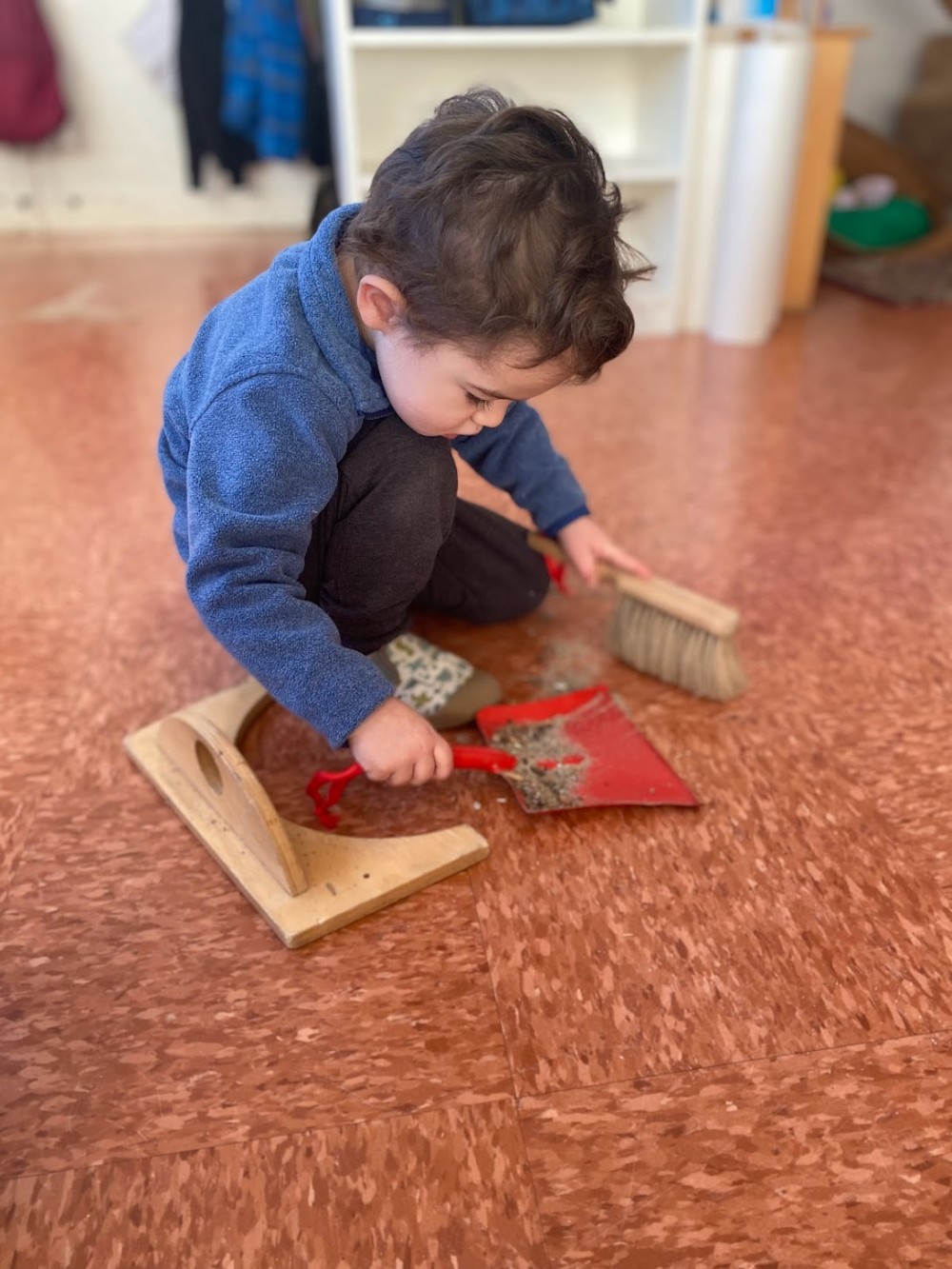
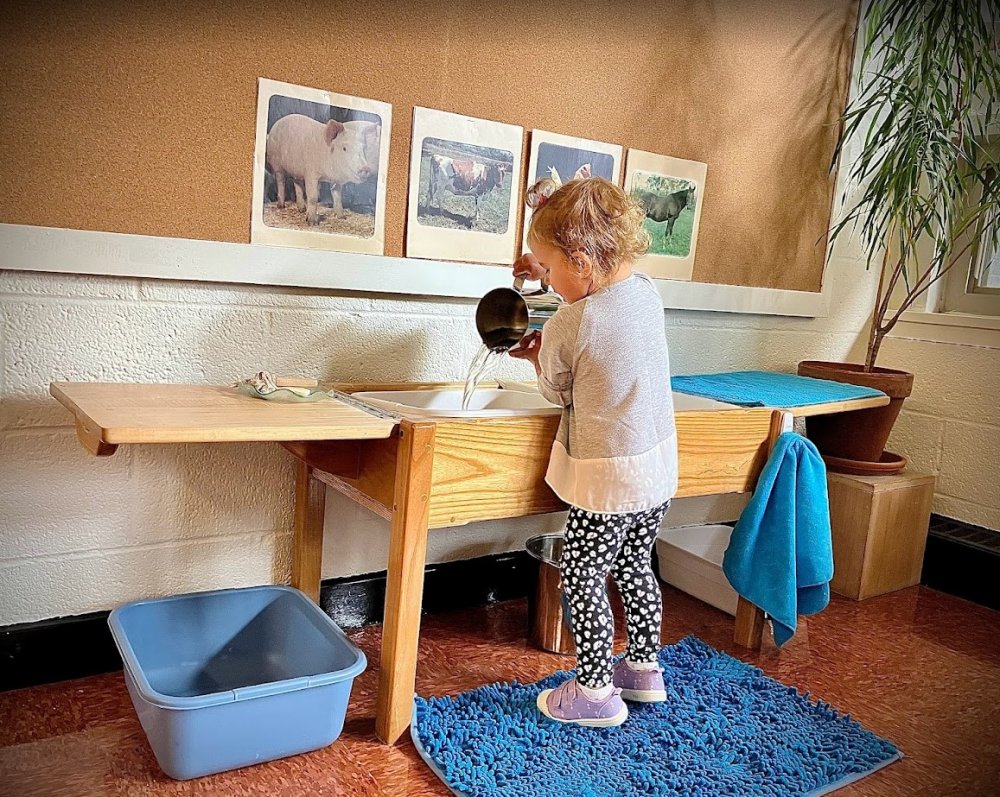
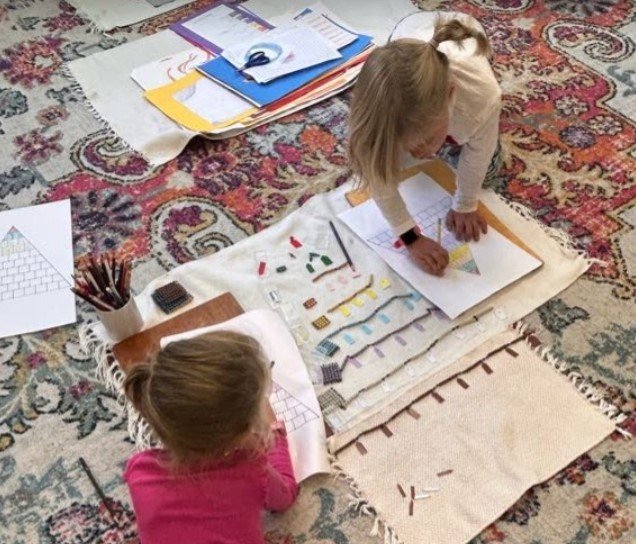
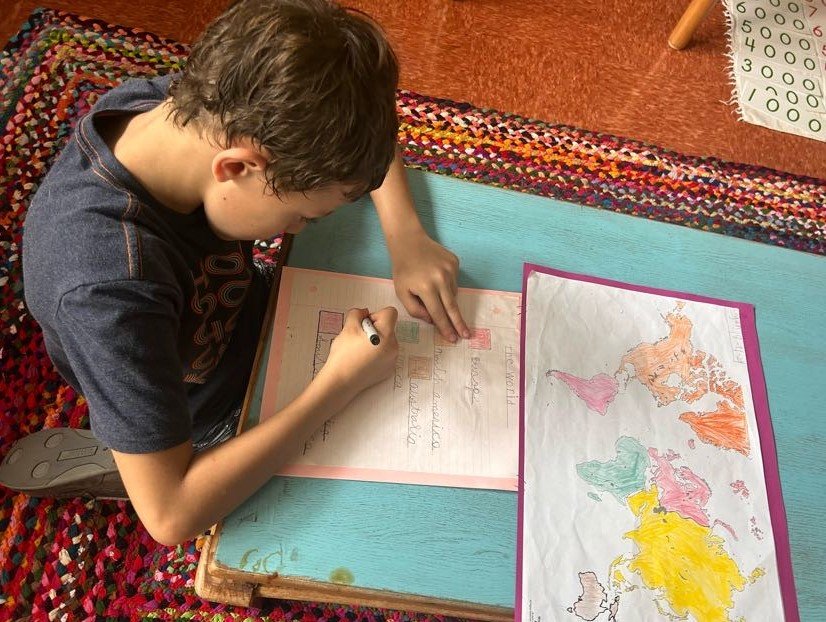
Classroom environments in Montessori education are prepared by scaling to a child’s size and gearing to his or her inner needs, allowing the child to learn by his or her own choice and at his or her own pace. Believing that children are best able to comprehend their environment in very concrete, hands-on ways and through immediate personal contact, Dr. Montessori designed materials to lead the child toward the ability to work in abstractions in numbers, letters and ideas. These materials are meant only as a means to an end and are to be relied upon less as the child became increasingly more able to work with abstractions. Feeling that there is an important correlation between muscular activity and learning, Montessori incorporated movement into the use of the equipment, which includes error-control factors that the child can understand without having to be told.

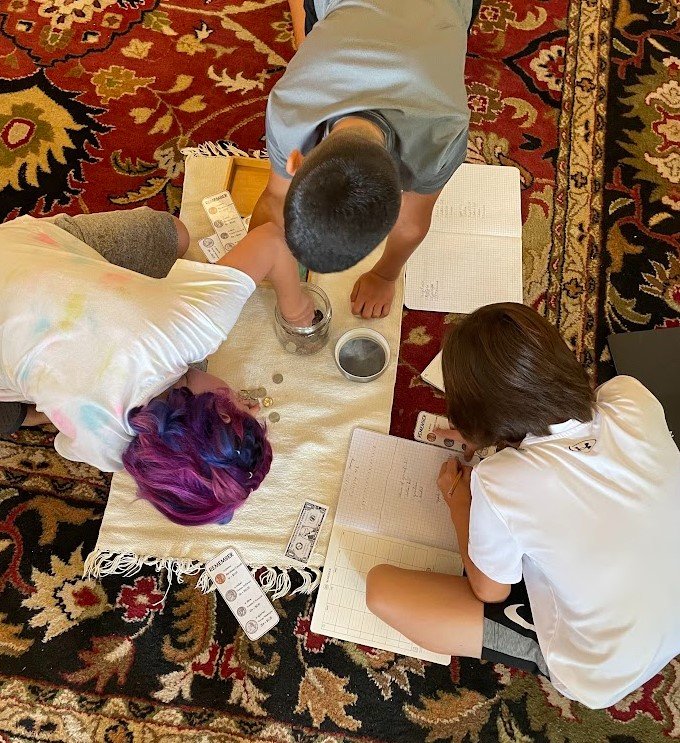
The teacher serves as an enthusiastic guide in the child’s progress from simple to complex, rudimentary to refined, outer to self-control. Next to learning one’s own experience, the child learns best from other children. Therefore, children are grouped in three-year age groups to give children a series of models for imitation and older children the opportunity to reinforce their own knowledge by helping younger children. Competition has no place in Montessori education until after the child has gained confidence in his or her own abilities.

Dr. Montessori’s research indicated that children have fantastic powers of concentration if properly stimulated, far exceeding that of most adults. Children would rather work than play when given a choice between toys and stimulating work. Montessori educators have a responsibility to train children’s characters to achieve self-discipline and self-direction which result from the mastery of firsthand experience and fulfillment of the inner urge to expand and grow in one’s own way. This is achieved without jeopardizing the rights of other to have this same privilege.

While these are some of the basic Montessori principles, explanation alone cannot describe that which must be seen to be understood. Dr. Montessori’s insights into the inner needs and workings of children led to her respect for their initiative and ability and her expectation that they will naturally do what is right without being forced, resulting from direct observation of children in actual classroom situations. Through observation of a Montessori class in action, one can understand the secret of her success.


WELCOME
  LITCHFIELD MONTESSORI SCHOOL
5 Knife Shop Road        Northfield   CT        06778     (t) 860.283.5920        (f) 860.283.0552        info@litchfieldmontessori.org
Follow The Child
BACK TO TOP